When we talk about cybersecurity, it’s easy to picture someone halfway around the world trying to break into your network. And yes, those threats are real.
But cybersecurity isn’t only about keeping the bad guys out. Some of the biggest risks businesses face involve the people who already have legitimate access to their systems and information. That doesn’t mean you shouldn’t trust your employees.
In many cases, there’s no bad intent at all. Someone clicks a convincing phishing email. A password gets shared because it’s convenient. An employee has access to information they no longer need. Someone copies company information into a public AI tool without realizing where that data might go.
Good cybersecurity must account for people as well as technology.
Here are some of the internal risks businesses should be thinking about.
1. Employees Have Access to More Than They Need
Over time, access tends to accumulate.
An employee changes positions but keeps permissions from their old role. Someone gets temporary access to a folder for a project, and nobody removes it when the project is finished. A former employee’s account doesn’t get disabled right away.
Eventually, you can end up with people having access to information they don’t actually need to do their jobs.
A good rule is pretty simple: employees should have access to what they need and not much more.
Permissions should also be reviewed periodically instead of assuming they’re still appropriate years later.
2. Passwords Get Shared
“Can you send me the password?” It’s a pretty common request.
It’s also something we want businesses to move away from.
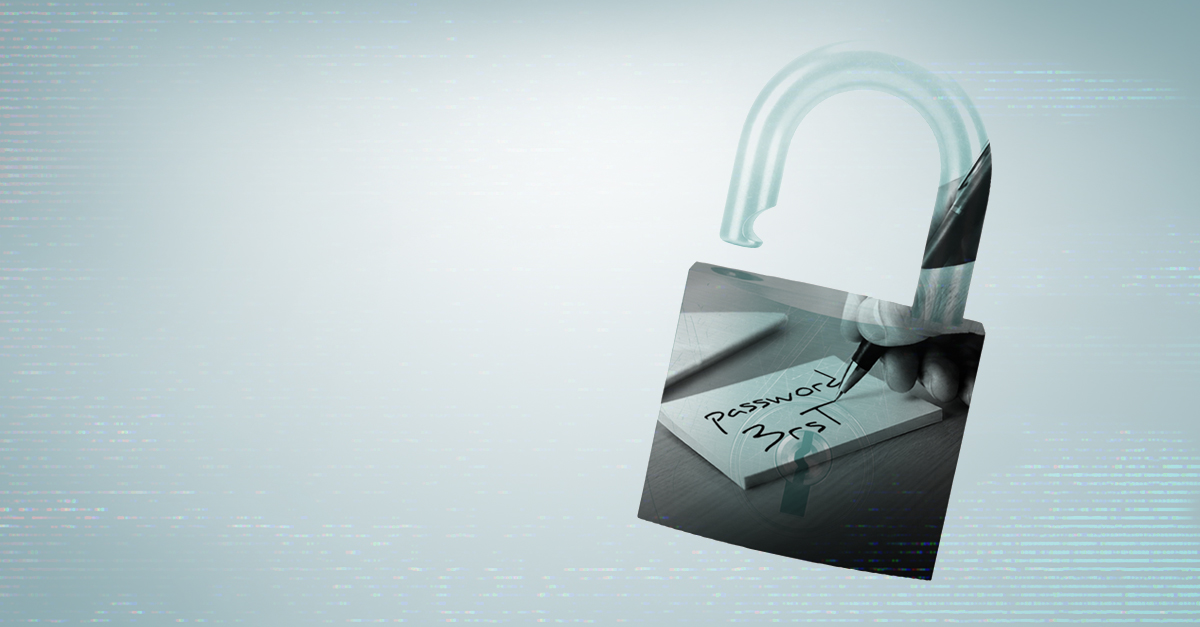
Shared passwords make it much harder to know who is accessing an account, and passwords passed around through email, text messages or sticky notes create unnecessary security risks.
Whenever possible, employees should have their own accounts with their own credentials.
Multi-factor authentication (MFA) should also be enabled wherever possible. That adds another layer of protection if a password does end up in the wrong hands.
3. People Make Mistakes
This is probably the most important one.
Your employees are human. They’re going to make mistakes.
Someone will eventually click something they shouldn’t. Send an email to the wrong person. Delete a file accidentally. Approve an MFA request without thinking. Or respond to a phishing message that looked surprisingly legitimate. The answer isn’t expecting employees to never make a mistake. It’s putting safeguards in place and making sure employees know what to do when they’re unsure about something.
Security awareness training can help employees recognize common threats, but there should also be a culture where people feel comfortable asking.
We’d much rather have someone call us and ask, “Does this email look legitimate?” than click it because they didn’t want to bother anyone.
And if someone does click something suspicious, tell IT right away. The sooner we know, the sooner we can determine whether anything needs to be done.
4. Unapproved Devices and Applications Creep In
Sometimes employees find their own solutions when technology gets in their way.
They might use a personal laptop to access company information, upload a file to a personal cloud storage account or sign up for an online application without anyone reviewing it first. Usually, they’re not trying to bypass security. They’re trying to get their job done.
But those workarounds can create places where company information is stored or accessed without the protection the business normally has in place.
This is one reason IT and cybersecurity can’t simply be a list of things employees aren’t allowed to do. Your technology needs to make it reasonably easy for people to work securely.
5. AI Has Created a New Version of This Problem
AI tools have quickly become part of everyday work. Employees may use them to help write an email, summarize a document, analyze information or brainstorm ideas. The concern isn’t necessarily that they’re using AI; it’s what they’re putting into it.
Customer information, financial data, employee information, passwords, confidential documents and other sensitive business data shouldn’t simply be copied into an AI platform without understanding how that platform handles the information.
Businesses need some basic guidelines around AI use.
Which tools are approved? What information is okay to use? What should never be entered? Who should employees ask if they’re unsure?
Pretending employees aren’t going to use AI probably isn’t a realistic strategy anymore. Helping them use it responsibly is.
6. Sometimes the Risk Is Intentional
Most of what we’ve talked about so far involves mistakes or convenience. But intentional misuse does happen.
An employee could copy customer information before leaving the company, intentionally delete files or access information for reasons unrelated to their job.
The goal isn’t to monitor every employee as though they’re doing something wrong. Instead, good security practices can limit how much damage any one account can cause.
Appropriate permissions, individual user accounts, good logging, monitoring and quickly removing access when someone leaves the organization all help.
These controls protect the business without requiring you to assume the worst about your employees.
Good Security Should Support Your Employees
There’s a balance here.
Lock everything down too tightly and employees can’t do their jobs.
Make everything wide open and convenient, and you create unnecessary risk.
The goal is to find the right balance for your business.
That means giving people the access they need, protecting important information, training employees, using MFA, maintaining good backups and having a plan for what happens when something doesn’t look right.
It also means reviewing those protections as your business changes.
A security setup that made sense when you had 10 employees may not make sense when you have 30.
Cybersecurity Is About People, Process and Technology
There’s no single cybersecurity product that can protect a business from everything.
You need good security tools, but you also need employees who understand their role, policies that make sense and someone paying attention to how everything fits together.
That’s where a proactive approach to IT makes a difference.
At Hurricane Technologies, we’re not interested in making employees afraid of technology or treating every mistake like a security disaster.
We want to give people the tools, training and support they need to work securely and make it easy to ask for help when something doesn’t look right.
Because good cybersecurity isn’t just about keeping threats out. It’s also about taking better care of what’s already inside.
Not sure where your internal security gaps may be?
Start by looking at who has access to your important systems, whether MFA is being used, how passwords are handled and whether your employees know what to do when something suspicious happens.
If you’re not sure where to start, Hurricane Technologies can help you take a look at your current environment and identify practical ways to improve security without making technology harder for your employees to use.